Do you remember crying for all them horses?
Noah Kahan's new album: The Great Divide

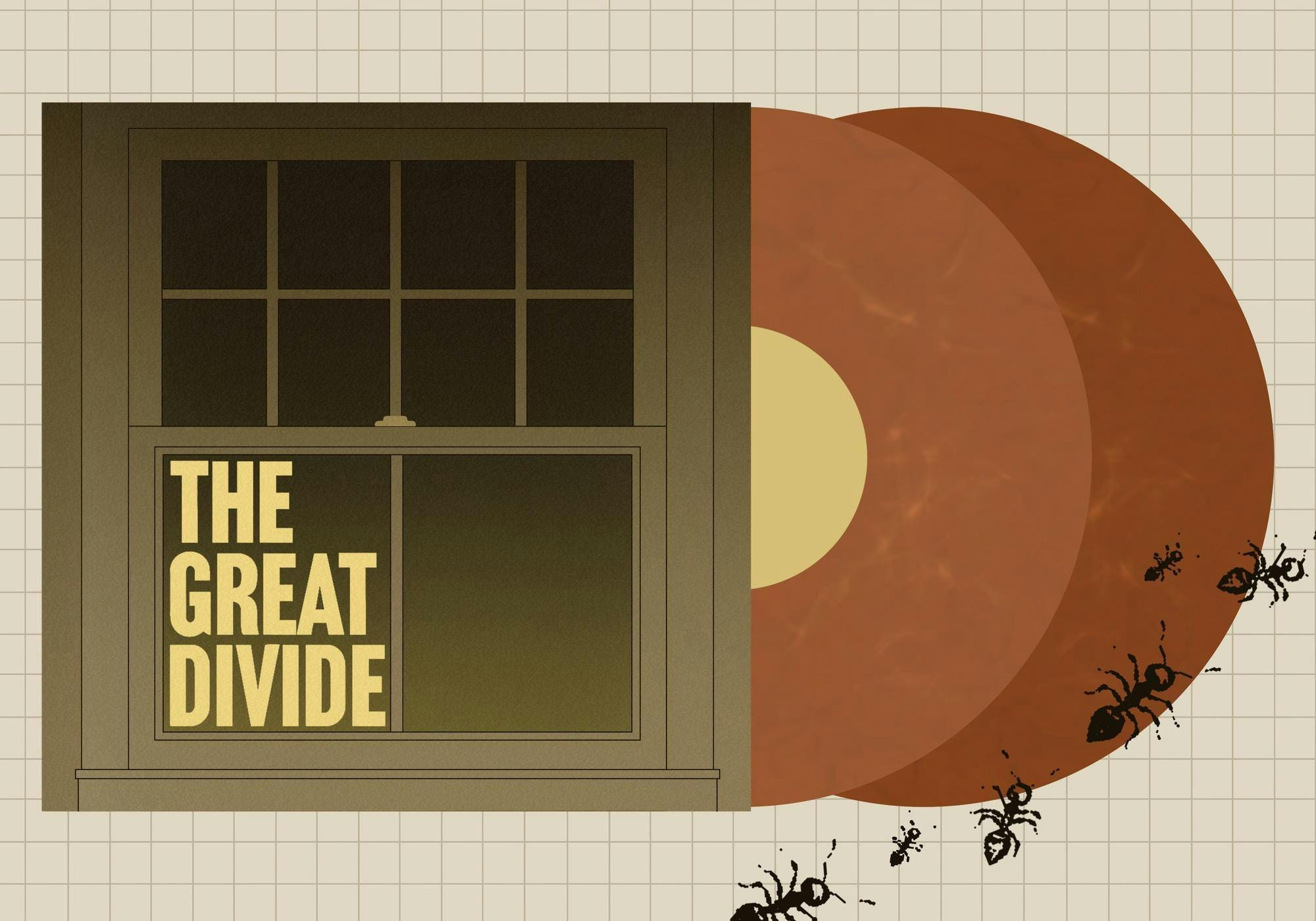
I was casually managing my inbox this week and came across the New York Times Magazine interactive story, “The 30 Greatest Living American Song Writers.” That’s a headline I would never be able to resist. Though I knew before I read it, that this list wouldn’t match my list. And therefore, the entire article would be close to total bullshit. To me, that is.
Noah Kahan’s much anticipated new album, The Great Divide, was released on April 24th. It followed the blockbuster, Stick Season, that catapulted the singer/songwriter from a midlevel pop act to a Vermont-kid-makes-it-big, now selling out shows at Fenway Park.
His songs connect with me for a variety of reasons. Like him, I’m a city guy these days. But I grew up in two small towns before I was urbanized after college. Unlike Kahan, I don’t really long to return to those places, but I do think about them and how they shaped my journey in one way or another, most days. That shared background is primarily what makes his songs sound familiar to me, in many ways, as if they belong to me.
It took me several days to set aside time to really listen to all seventeen of the new songs. But “All Them Horses” caught my ear on the first play. It’s a song about the 2023 floods in Vermont, which occurred while Kahan was away from home pursuing his rock and roll dreams.
“See the dried flood lines on the neighbors’ porches;
Do you remember crying for all them horses?
They did not look scared at all.
They did not look scared; they did not look scared at all.”
Stories are hard to tell in five minutes. Vivid, meaningful ones are anyway. Oftentimes the best a writer can hope for in a segment that small, is to have the reader or the listener daydream about it after story time is finished. In this case, the story is vivid to me, and I get the daydreams too.
“Dashboard” caught me a little later. The catchiness of the tune distracted me from the lyrics the first couple of passes I made. This one’s about an “asshole” in Kahan’s life that tries to solve the riddle of his awfulness by running away. Yep, I’ve known plenty of people in my life who have tried that, and I have even taken a turn or two at it myself.
“And you tell yourself lies and disguise them as facts.
It’ll hurt half as much if you drive twice as fast.”
Will Noah Kahan and his catchy little tunes save the world? Probably not, but who will?
I read a few reviews of The Great Divide, and opinions vary. But importantly, the people who wrote the reviews can’t hear the album the way I do. They can’t feel the experiences I share with the artist and his art. And they usually can’t point me in the direction of other artists that will move me either.
Even with all of the tools available to find the stories we seek, told in the voice that enlivens our ears, and ultimately makes us think and feel something meaningful, we are still lucky to find the art that matters. With music, a little word of mouth help from friends still goes further than a review in Rolling Stone or the New York Times. And some of my friends love some baffling noise—but I get to witness that love up close and in person. In other words, I get to feel their passion.
But back to that NYT article about the “30 Greatest.” I nailed my prediction about the list being bullshit, though there are very few on the list that I thought had no business being there. The “250 music insiders and six New York Times critics” responsible for this list, don’t know any more about what connects with people than you do, or I do, or anyone else does. The same goes for the Grammy’s, and anyone else who thinks they are some kind of music aficionado.
To me, music is too personal to just nod at the so-called experts, even when many of them have written great reviews of Kahan’s new album. He’s still not on “the list.” But then neither is Hozier, or Jason Isbell. Uh, hmm. Seriously experts? None of these three can outwrite Fiona Apple?
I know enough about music and storytelling to trust my own love. And I love the way Noah Kahan writes songs. I was wearing out his library, including the early version of Stick Season before his fame exploded. Also yes, I am old enough to know that stardom can be a dangerous thing.
In “Porch Light,” Kahan writes to a friend struggling with that very thing:
“I hope you tell me that you’re winding down.
That you’ve lost the taste to face the crowd
That whatever made you famous made you sick.”
I hope he evades that trap himself. Because after four albums into his now bigger-than-life success story, I know that his writing is no longer luckily moving me. His words and his sound are what my ears and soul seek. Hopefully, nothing will interrupt him.
Michael Leppert is an author, professor and consultant in Indianapolis. He writes about culture, leadership, communication and connection at MichaelLeppert.com and on his YouTube channel.